So It Is Time To Shoot Your First Editorial
You Ask Yourself, What Do I Need To Do To Prepare
When it comes to editorial portrait photography, the stakes are even higher. You’re not just taking a picture—you’re crafting an image that will accompany a narrative, complement a story, or represent a brand. Here’s how to prepare for your first editorial shoot and make it a success.
1. Understand the Editorial Context
Before you even pick up your camera, you need to have a clear understanding of the editorial context. What’s the story or theme of the piece? Who is the subject, and what is their role in the story? Understanding these elements will help you conceptualize the shoot and ensure that your photos align with the narrative.
Pro Tip: Communicate with the editorial team or the writer to get a sense of the tone, style, and key points of the story. This will guide your creative process and ensure that your vision matches the editorial content.
2. Research and Mood Boards
Research is a crucial part of the preparation process. Look at past editorials in the publication you’re shooting for to understand their style and aesthetic. Create a mood board with inspiration images, color palettes, and poses. This will help you visualize the shoot and provide a reference point during the session.
Pro Tip: Pinterest and Instagram are excellent resources for finding inspiration and creating mood boards. Share your mood board with the editorial team to ensure everyone is on the same page.
3. Plan Your Equipment
Choosing the right equipment is essential for any photo shoot, but it’s especially important for editorial work where the quality of your images will be scrutinized. Here are a few key pieces of equipment to consider:
- Camera: A DSLR or mirrorless camera with high resolution.
- Lenses: A portrait lens (50mm, 85mm, or 70-200mm) for sharp, flattering images.
- Lighting: Natural light is great, but have a flash or continuous light source on hand. Reflectors and diffusers can help control the light.
- Tripod: For stability and consistency, especially in studio settings.
- Props and Backdrops: Depending on the shoot, you might need various props and backdrops to create the desired look.
Pro Tip: Always have backup equipment. Batteries, memory cards, and even a spare camera can save the day if something goes wrong.
4. Scout the Location
Whether you’re shooting in a studio or on location, scouting the location beforehand is essential. Check the lighting conditions, potential backgrounds, and any logistical considerations. Knowing the environment will help you plan your shots and avoid surprises on the day of the shoot.
Pro Tip: If you can’t visit the location in person, ask for photos or videos from the site. This will help you get a sense of the space and plan accordingly.
5. Prepare Your Subject
Your subject is the heart of your portrait. Make sure they feel comfortable and confident before and during the shoot. Communicate your vision and give them a sense of what to expect. Discuss wardrobe options, makeup, and hair to ensure everything aligns with the editorial theme.
Pro Tip: If your subject is not a professional model, spend some time building rapport. Casual conversation and a relaxed atmosphere can help ease any nerves and result in more natural, authentic portraits.
6. Set the Scene
On the day of the shoot, arrive early to set up your equipment and test your settings. Pay attention to details—every element in the frame contributes to the overall image. Adjust lighting, arrange props, and make sure everything is perfect before you start shooting.
Pro Tip: Take a few test shots and review them carefully. Make adjustments as needed to ensure the lighting, composition, and exposure are spot on.
7. Direct and Communicate
As the photographer, you are also a director. Guide your subject with clear, positive instructions. Show them poses, explain expressions, and provide feedback throughout the shoot. Encourage them to relax and be themselves.
Pro Tip: Be mindful of your subject’s comfort. Frequent breaks and positive reinforcement can make a big difference in their energy and enthusiasm.
8. Review and Edit
After the shoot, carefully review your images. Select the best shots that align with the editorial vision and tell the intended story. Editing is where you can enhance the images, correct any imperfections, and ensure a cohesive look.
Pro Tip: Less is more. Don’t over-edit your photos. Maintain the authenticity of the subject while enhancing the overall aesthetic.
9. Deliver and Follow Up
Deliver the final images according to the editorial team’s specifications. Include any necessary metadata and ensure the files are high-quality and print-ready. Follow up with the team to gather feedback and discuss any future collaborations.
Pro Tip: Be professional and timely in your delivery. This builds trust and opens the door for more opportunities.
Conclusion
Preparing for your first editorial portrait shoot can be daunting, but with careful planning and a clear vision, you can create stunning images that captivate and tell a story. Remember, the key to successful portrait photography lies in the details—understand your subject, plan meticulously, and communicate effectively. Happy shooting!
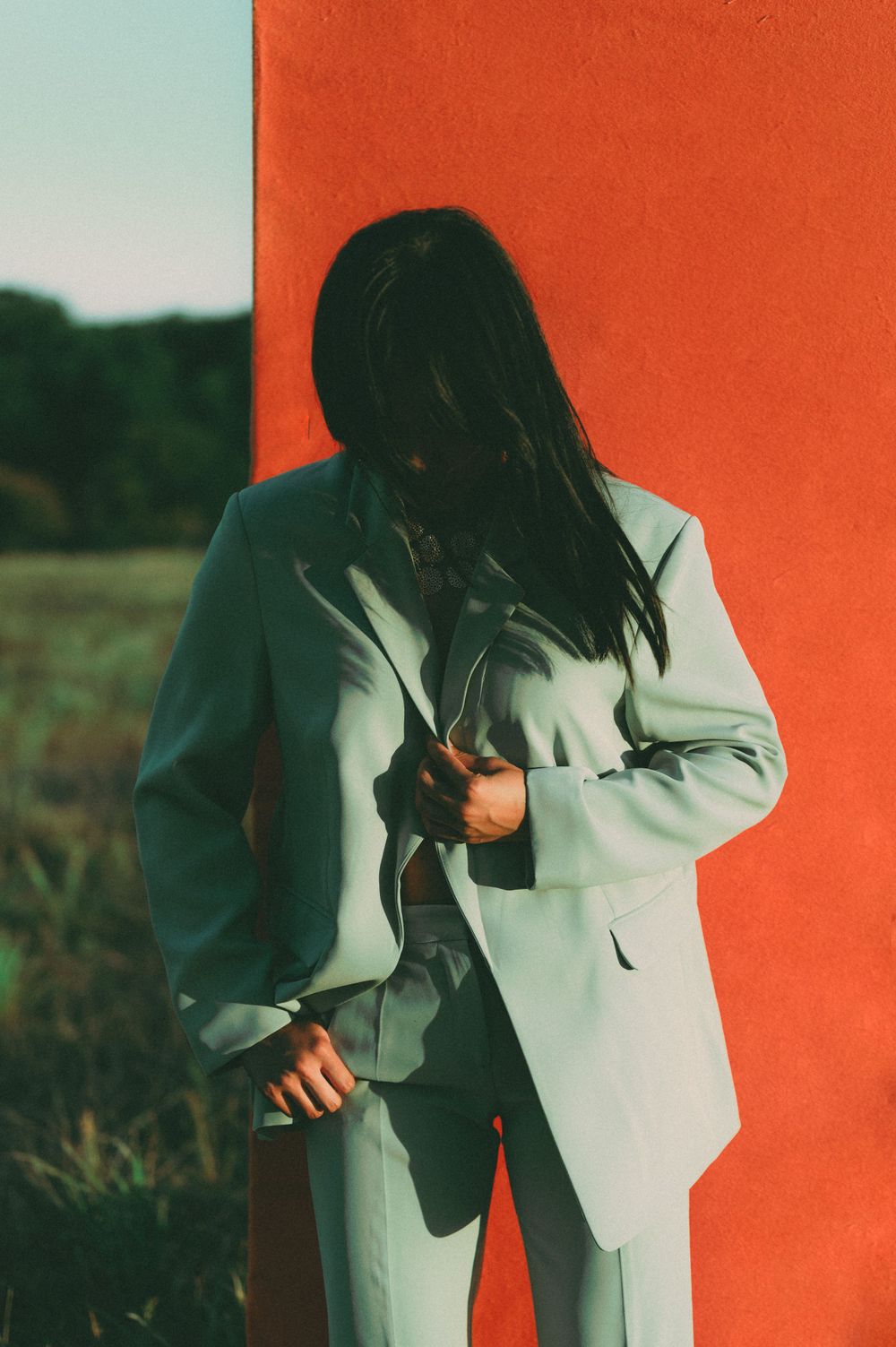
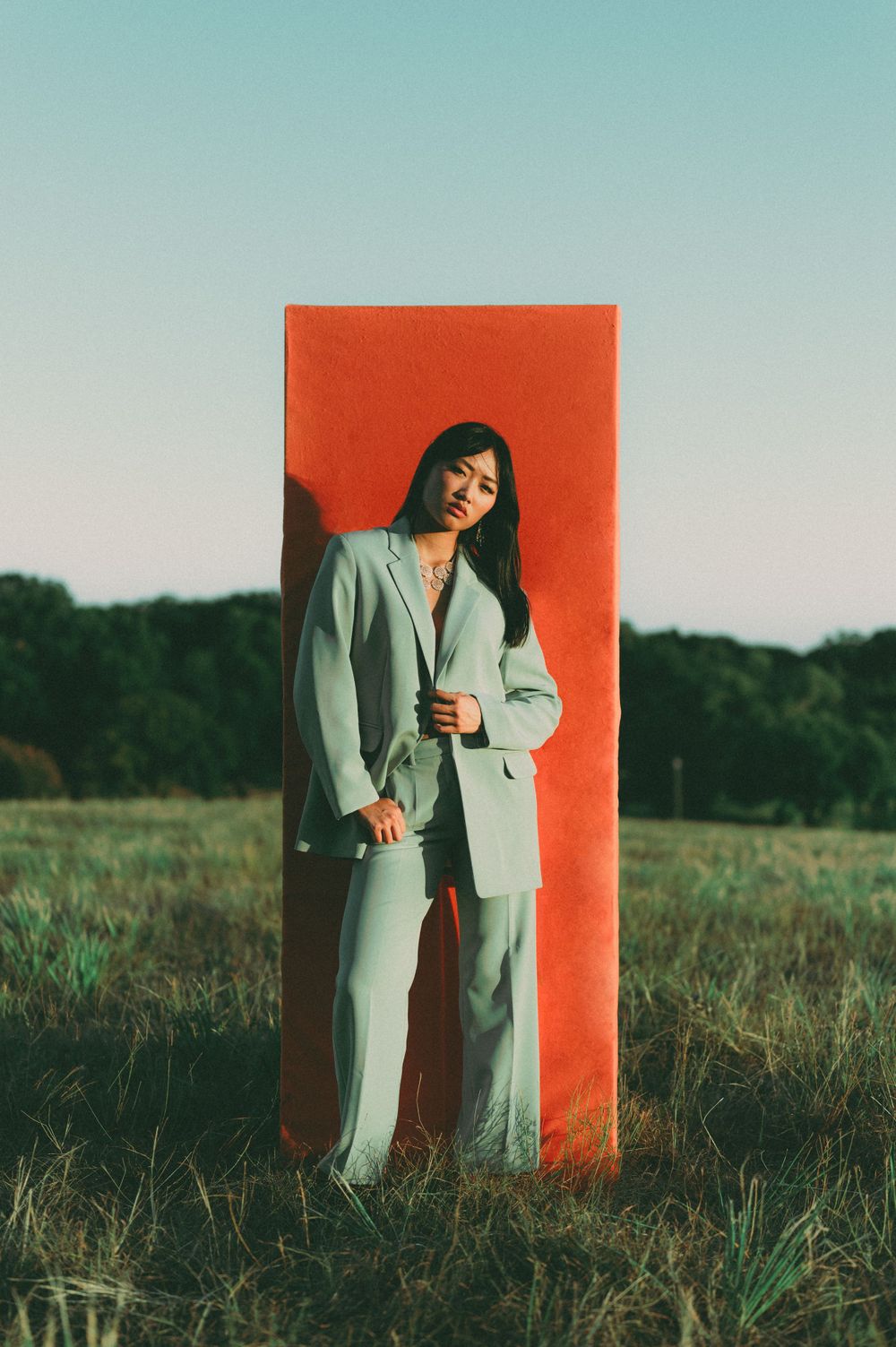
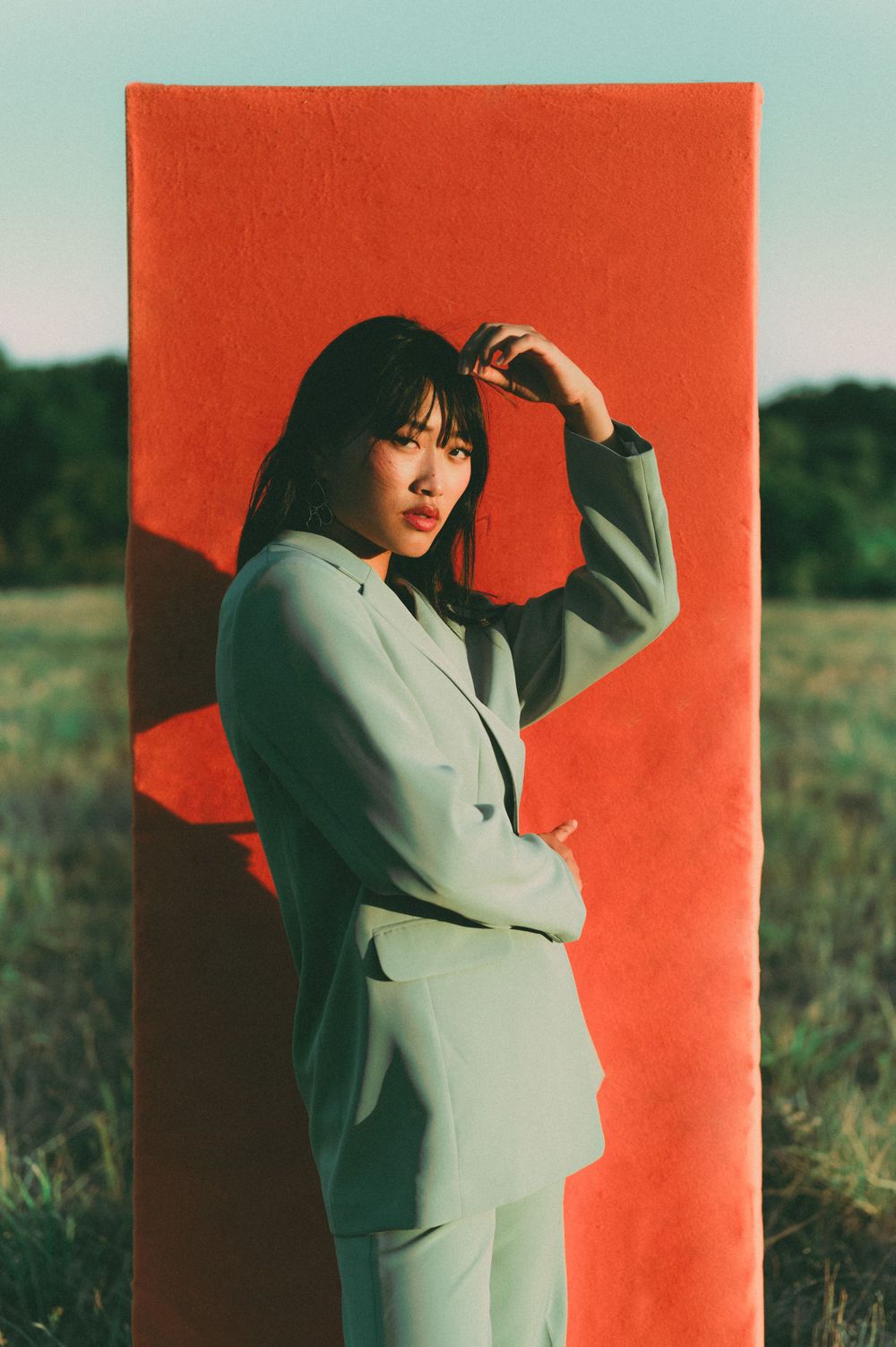
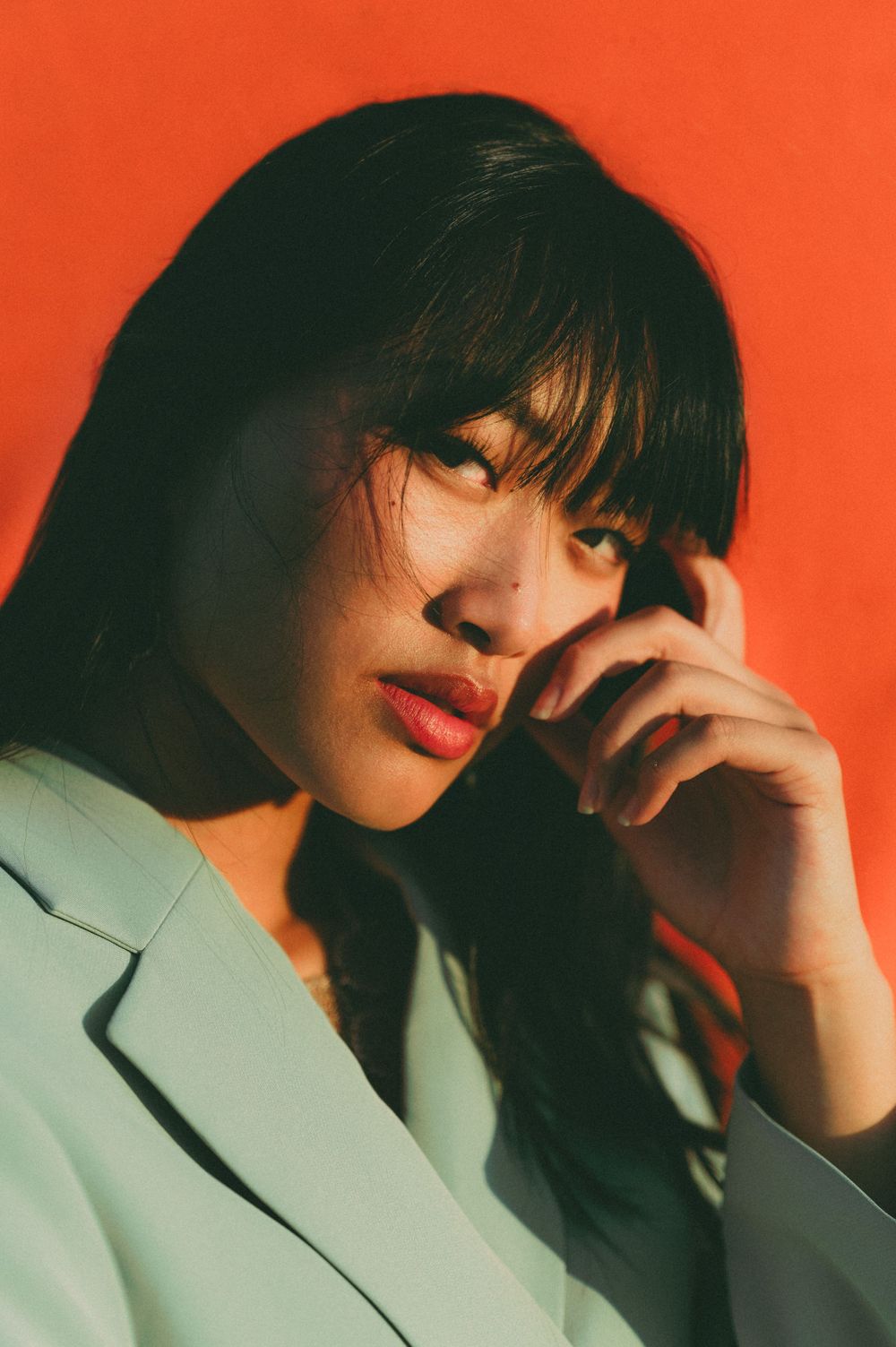
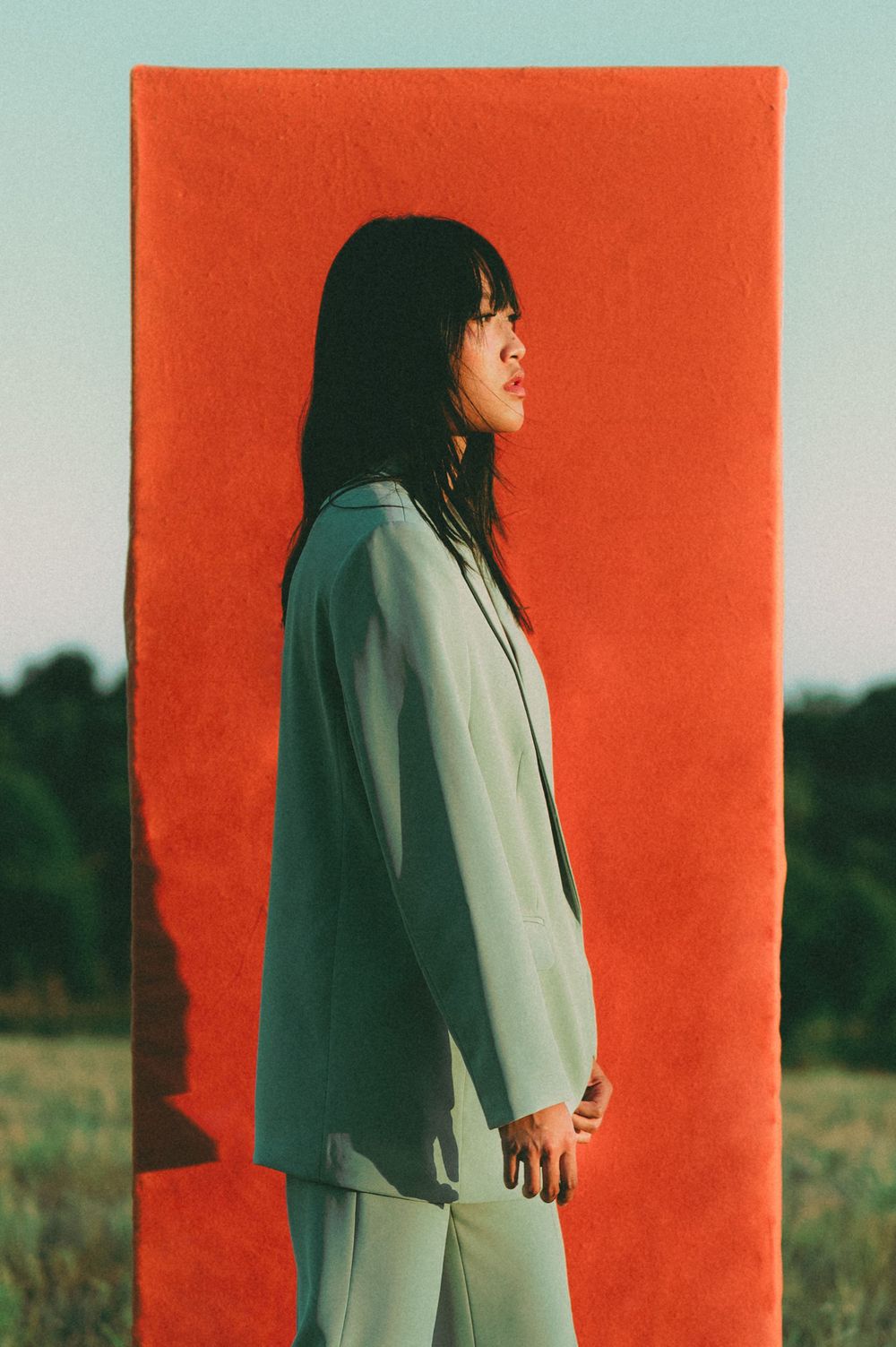
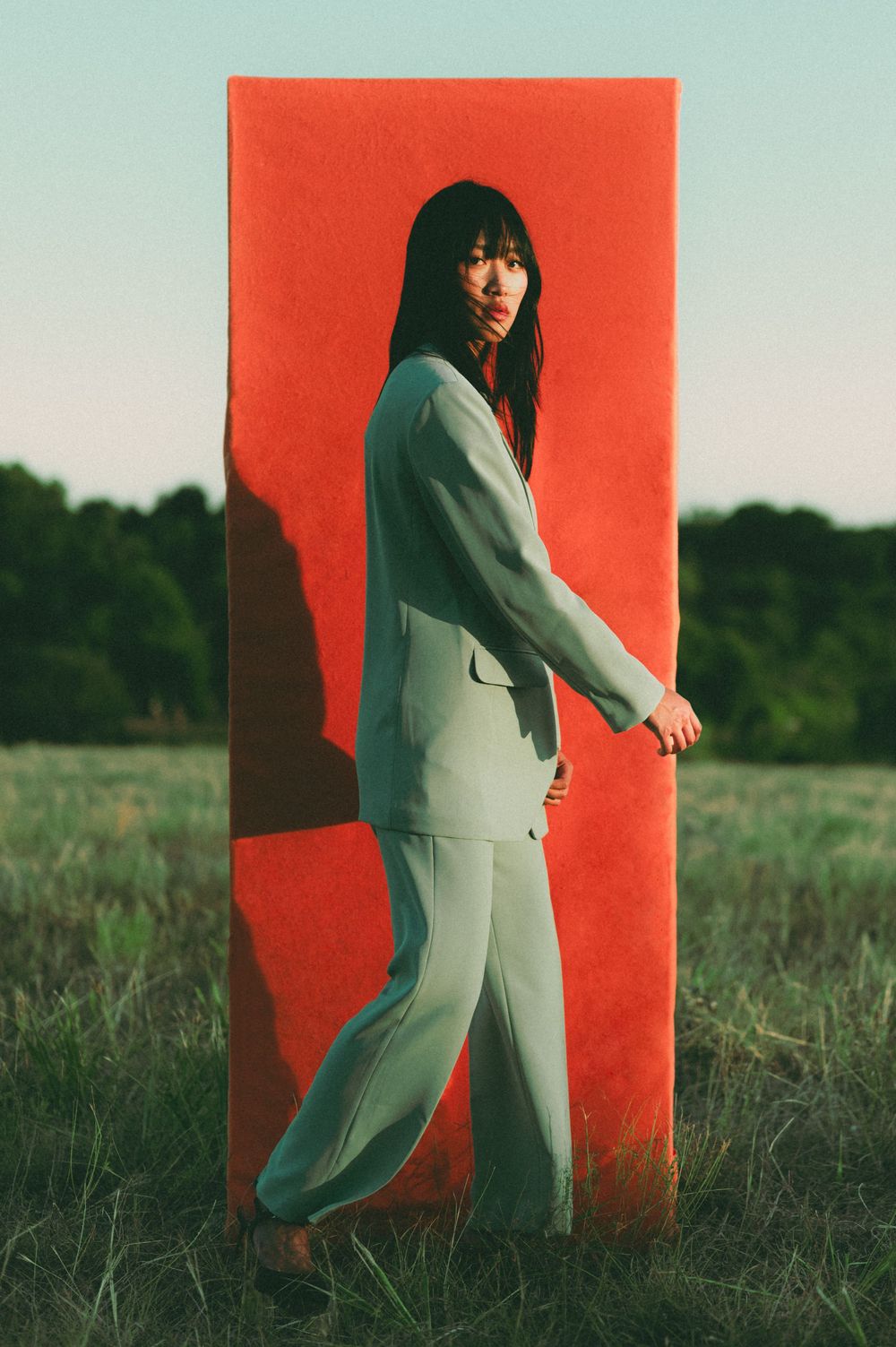
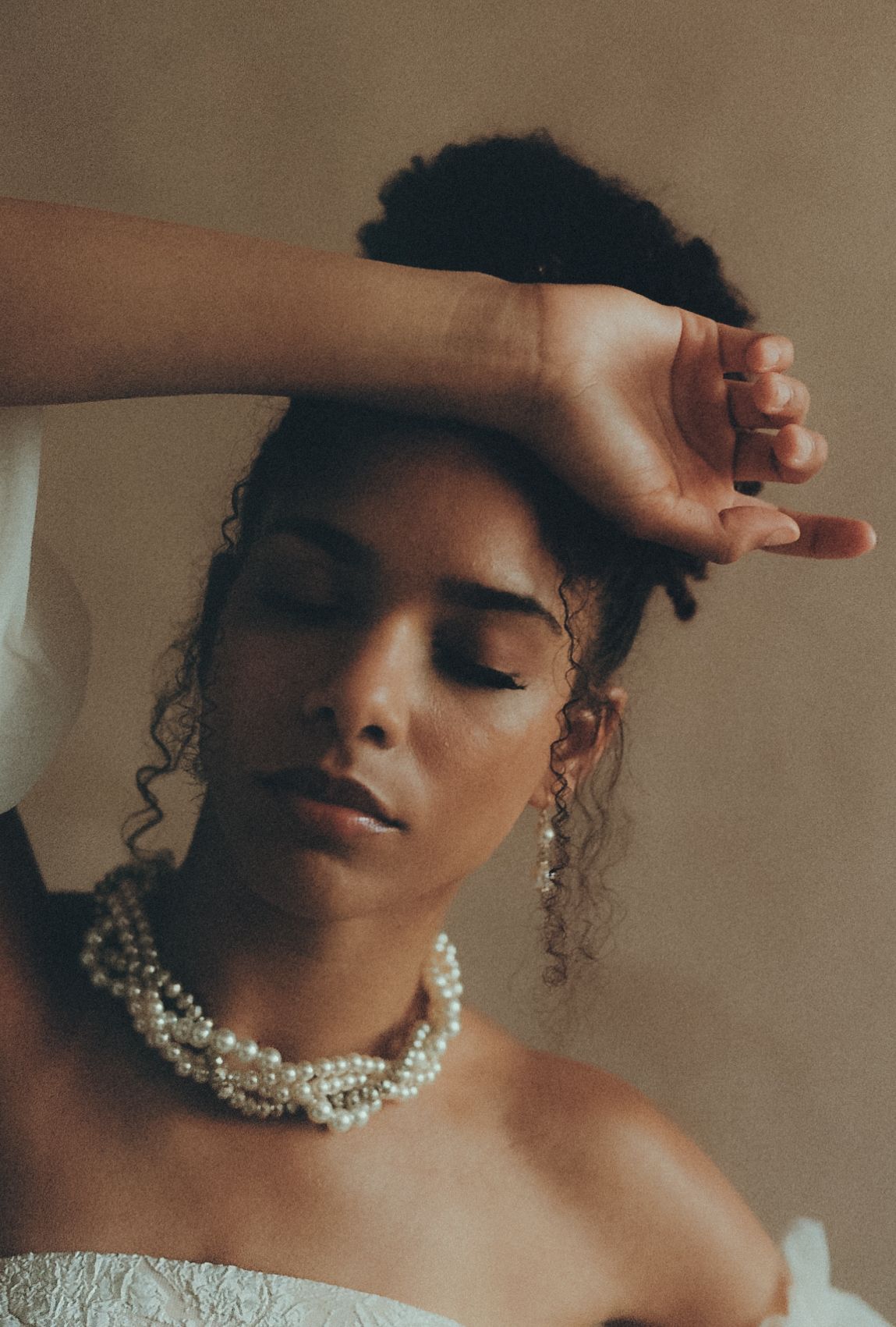
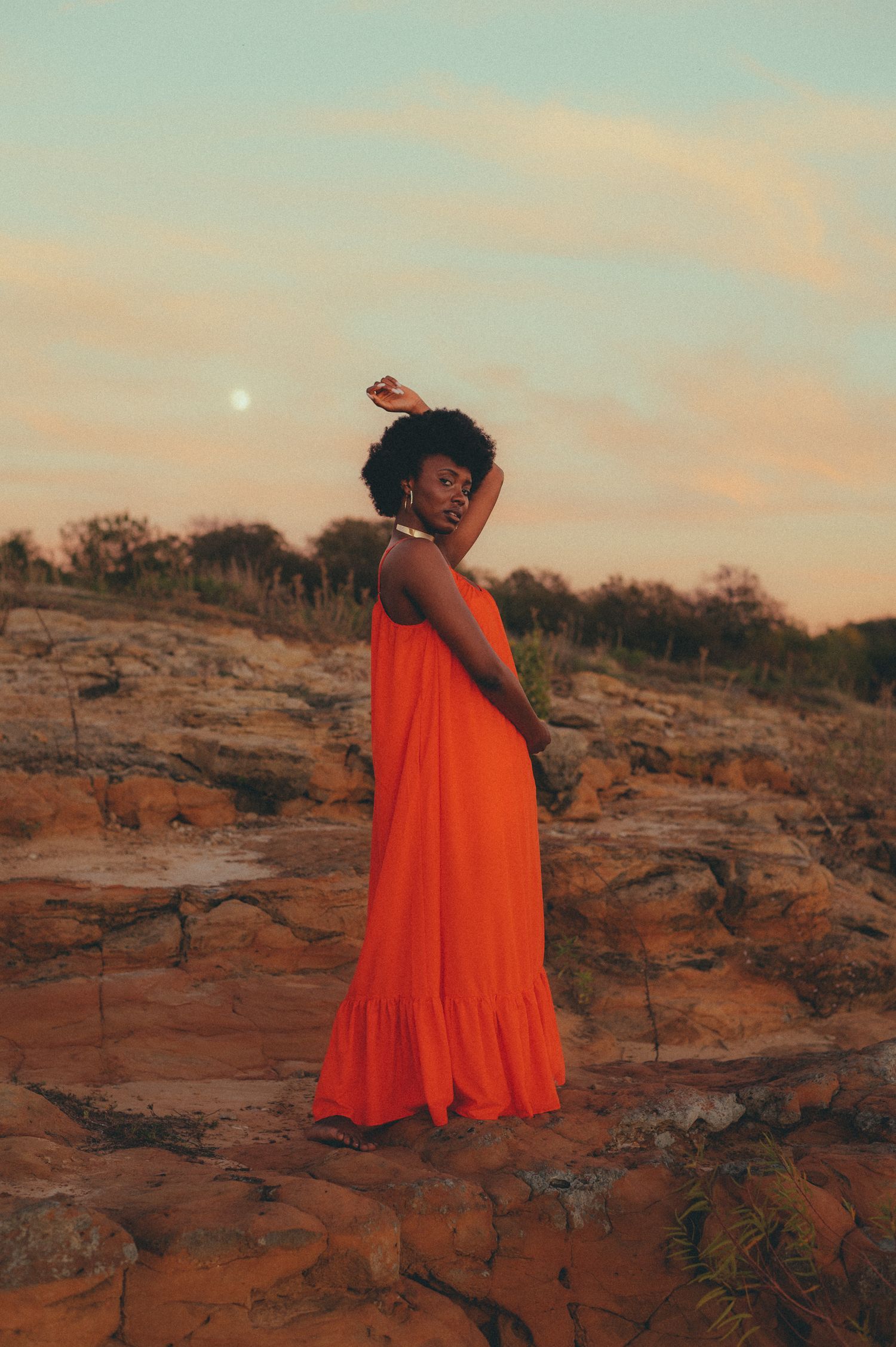
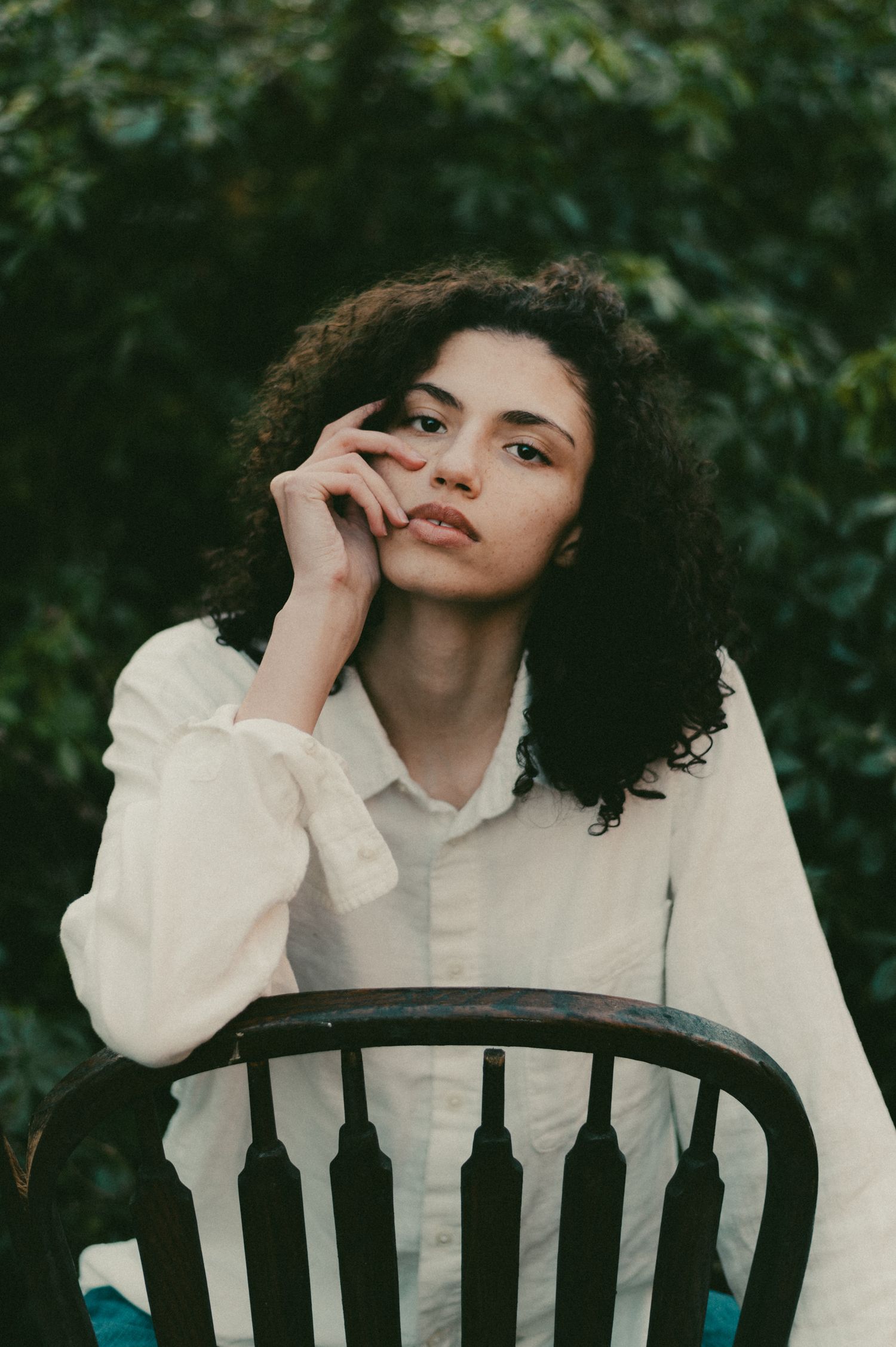
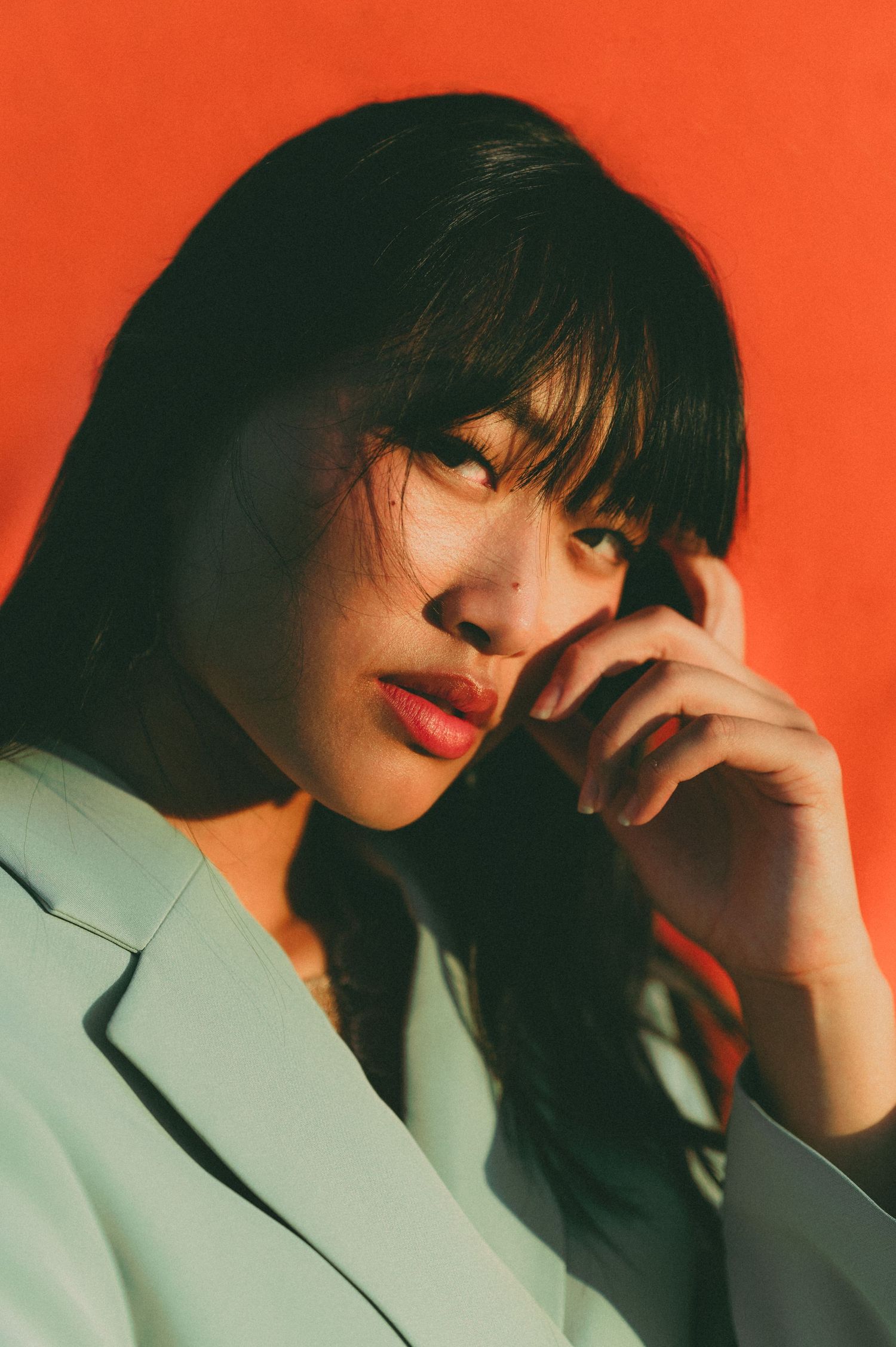
Below Is An Editorial I Shot.